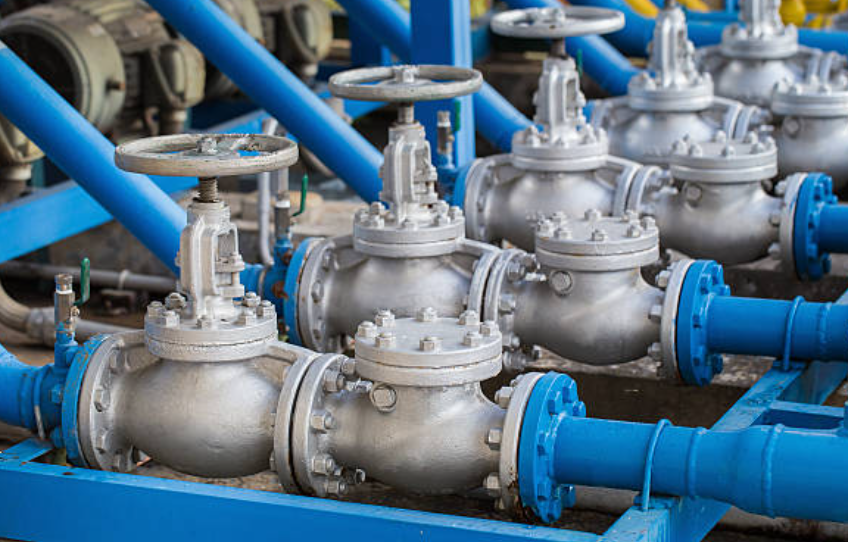
Difference Between Manual and Automated Industrial Valves

Industrial valves are categorized by operation mode into manual and automated types, each designed to meet specific system requirements, operational efficiency, and safety needs. Understanding their differences, advantages, and ideal applications is key to selecting the right valve for your project and optimizing system performance. Manual valves rely on human intervention to open, close, or […]

Difference Between Manual and Automated Industrial Valves Read More »
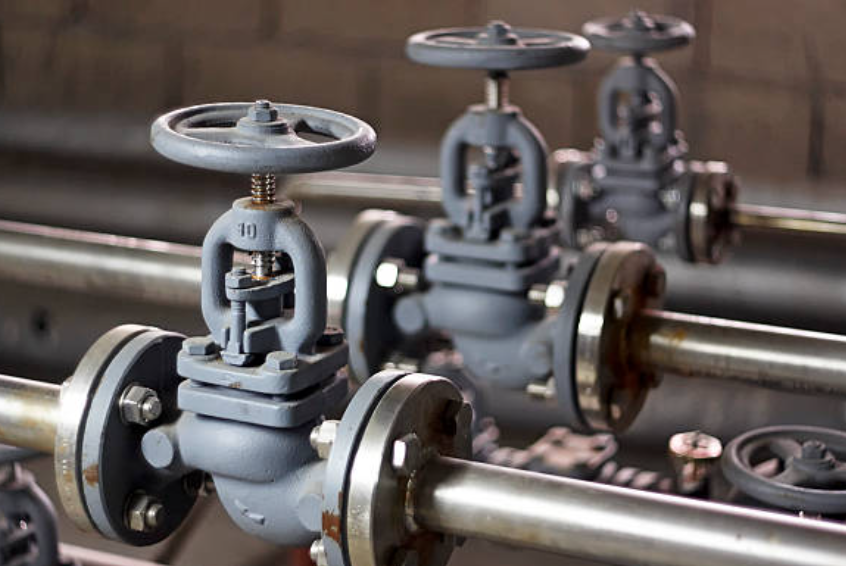
Valve Maintenance Tips to Extend Service Life

Industrial valves are critical to system operation, and proactive maintenance can extend their service life by 30-50%, reducing downtime and replacement costs. Below are essential maintenance practices for common valve types. Routine visual inspections are the first line of defense. Check for external leaks at flanges, packing glands, and valve stems—even minor leaks can indicate

Valve Maintenance Tips to Extend Service Life Read More »

OEM/ODM Valve Customization: Key Considerations for Buyers

In today’s competitive market, OEM/ODM valve customization offers businesses tailored solutions that align with unique system requirements. However, successful customization requires clear communication, strict quality control, and adherence to industry best practices. First, distinguish between OEM and ODM: OEM involves manufacturing valves based on the buyer’s designs, drawings, or specifications—ideal for companies with proprietary technology

OEM/ODM Valve Customization: Key Considerations for Buyers Read More »

5 Common Industrial Valve Types & Their Applications

Industrial valves are classified by function, with five types dominating most industrial systems: gate valves, globe valves, ball valves, butterfly valves, and check valves. Each type has unique working principles and application scenarios, making proper selection critical for system efficiency. Gate valves act as “on-off” switches for large-diameter pipelines. Their gate-like disc lifts to allow

5 Common Industrial Valve Types & Their Applications Read More »

How to Choose the Right Valve Material (Cast Iron/Cast Steel/Stainless Steel)

Valve material selection directly impacts durability, performance, and total cost of ownership. The three most common materials—cast iron, cast steel, and stainless steel—each have distinct advantages tailored to specific industrial scenarios. Cast iron valves are the economical choice for low-pressure, non-corrosive applications. Ductile iron (DI) valves, an upgraded version of gray cast iron, offer better

How to Choose the Right Valve Material (Cast Iron/Cast Steel/Stainless Steel) Read More »

The Ultimate Guide to Industrial Valve Standards (ANSI/BS/DIN/ISO)

In the global industrial valve market, compliance with international standards is the foundation of cross-border cooperation and safe operation. For buyers and engineers, understanding key standards like ANSI, BS, DIN, and ISO is critical to avoiding costly mismatches and ensuring system compatibility. ANSI (American National Standards Institute) valves, widely used in North America, are defined

The Ultimate Guide to Industrial Valve Standards (ANSI/BS/DIN/ISO) Read More »

Scroll to Top