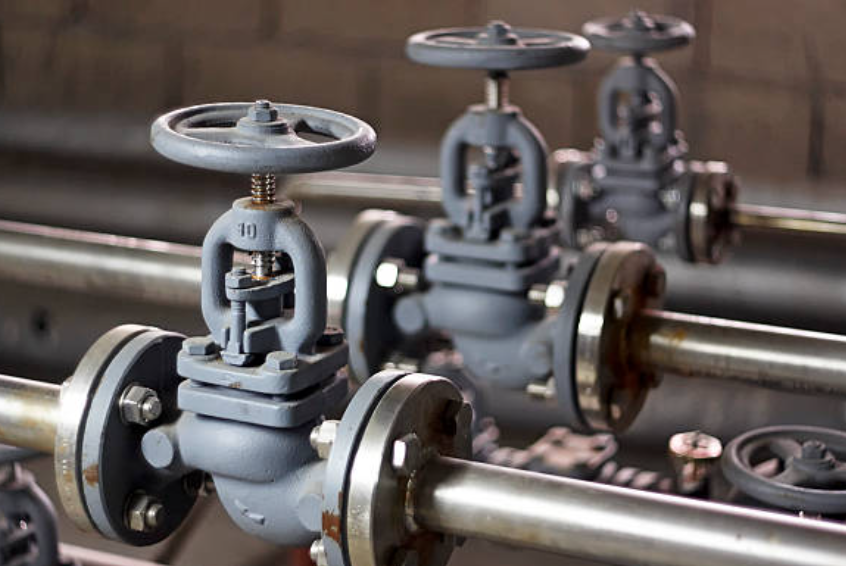
Industrial valves are critical to system operation, and proactive maintenance can extend their service life by 30-50%, reducing downtime and replacement costs. Below are essential maintenance practices for common valve types.
Routine visual inspections are the first line of defense. Check for external leaks at flanges, packing glands, and valve stems—even minor leaks can indicate seal degradation . Inspect for corrosion, especially in outdoor or harsh environments: paint cast iron valves annually to prevent rust, and use corrosion-resistant coatings for stainless steel valves in marine settings. For automated valves, check electrical connections and actuator performance.
Operational testing ensures valves function smoothly. Manually cycle valves quarterly to prevent seizing—gate valves, in particular, can stick if left in one position for years . For automated valves, test response times and confirm signal feedback aligns with position. Use pressure gauges to monitor pressure drop: a sudden increase may indicate internal clogging or disc damage.
Seal and seat maintenance is critical for leak prevention. Replace worn packing glands and O-rings annually—use materials compatible with the media (e.g., PTFE for chemicals, EPDM for water) . For ball valves, inspect seats for wear or deformation; soft seats should be replaced if leakage exceeds ANSI Class VI standards. For gate valves, lubricate stems with high-temperature grease to reduce friction.
Lubrication is essential for moving parts. Apply lubricant to valve stems, gears, and actuators every 6 months—use manufacturer-recommended products to avoid chemical incompatibility. For example, use silicone-based lubricants for food-grade applications and high-temperature grease for steam valves . Avoid over-lubrication, which can attract debris and cause clogging.
Preventive maintenance for harsh environments includes additional measures. For valves in slurry or particulate-laden media (e.g., wastewater treatment), flush lines regularly to prevent clogging . For high-temperature valves, inspect thermal expansion joints and insulation to prevent heat loss and valve damage. For cryogenic valves, ensure valve stems are properly heated to avoid freezing.
Documentation and scheduling streamline maintenance. Keep a maintenance log recording inspection dates, repairs, and replacements. Use CMMS (Computerized Maintenance Management System) software to schedule routine tasks and track valve performance. Replace valves after their service life (typically 8-10 years for industrial applications) or if repairs exceed 50% of replacement cost.
By following these practices, you can maximize valve reliability, minimize unplanned downtime, and optimize system efficiency. For critical applications (e.g., nuclear power, oil refining), partner with professional maintenance teams for specialized services.